
Architect-designed kit homes.
Choose from 40+ adaptable designs by Dualchas Architects for your self-build home in Scotland or across the UK. Compare Supply + Erect packages and available Full Turnkey routes.
Designed in partnership with Dualchas Architects.
Designed by Dualchas Architects — Architectural Practice of the Year, Scottish Design Awards 2025.
- More than 400 HebHomes completed across the UK
- Over 40 adaptable designs across five distinctive ranges
- Realistic guidance on your likely total build cost
- Typical kit erection in just 1–2 weeks
Trusted & Accredited




Our Gallery
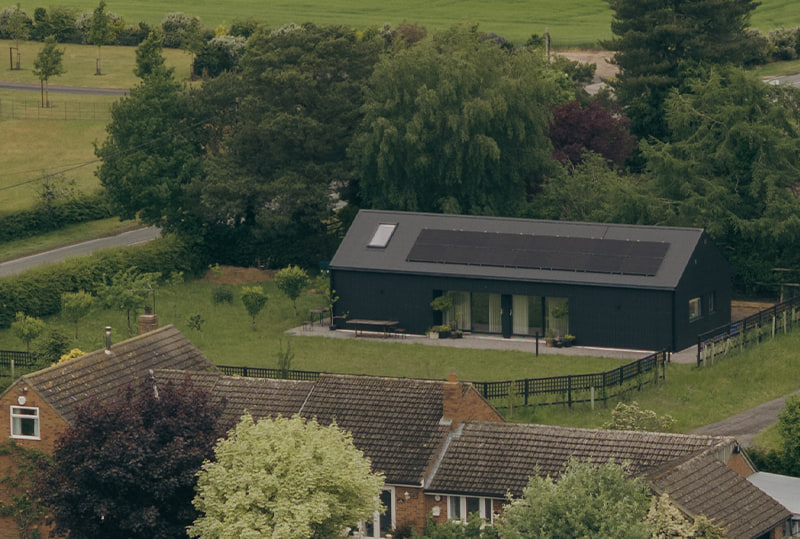
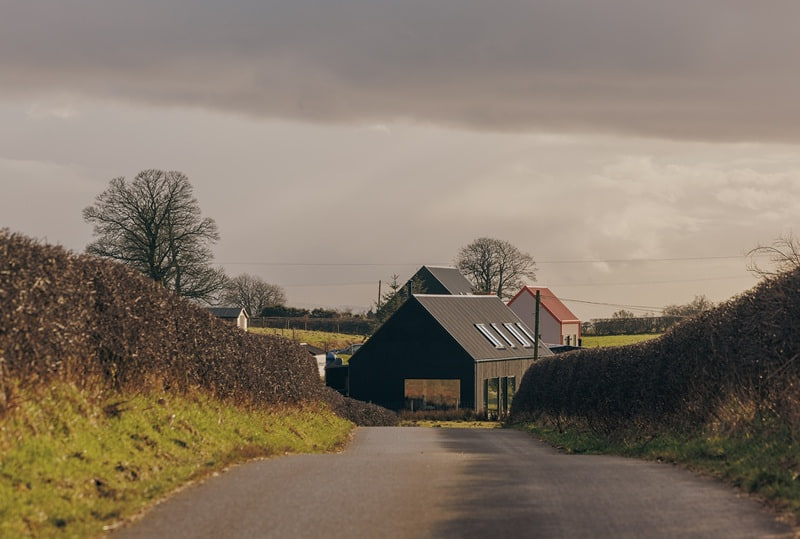
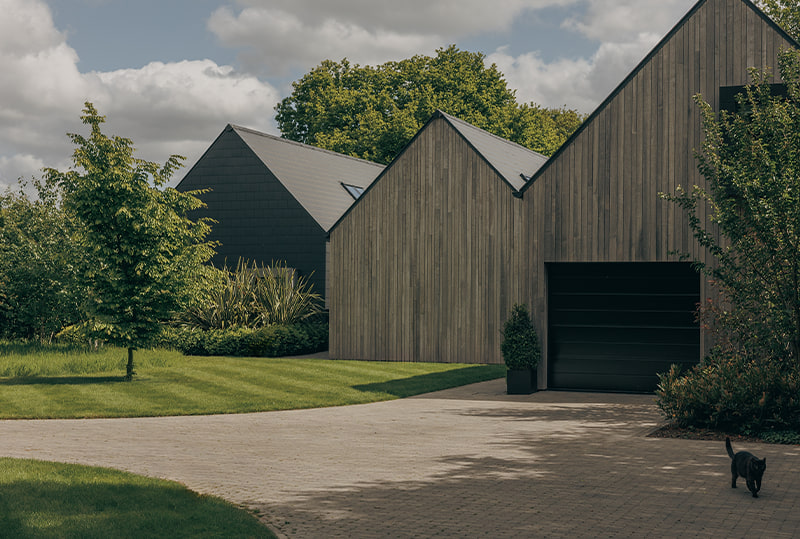
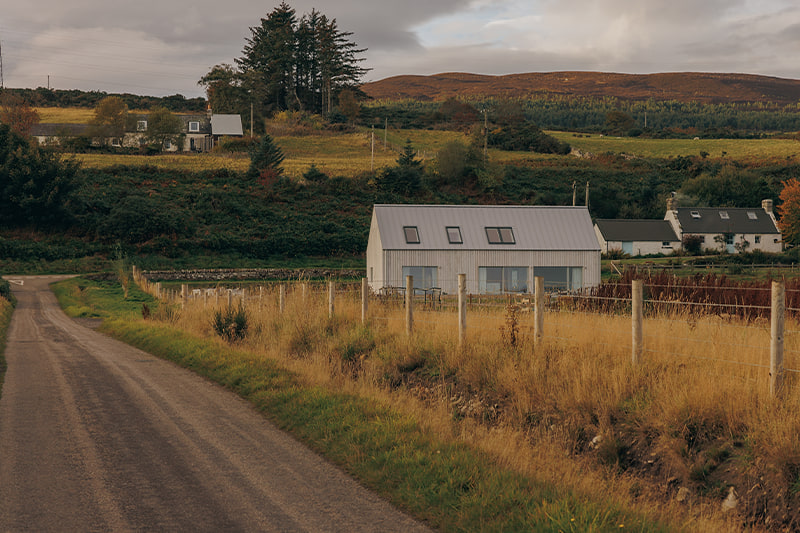
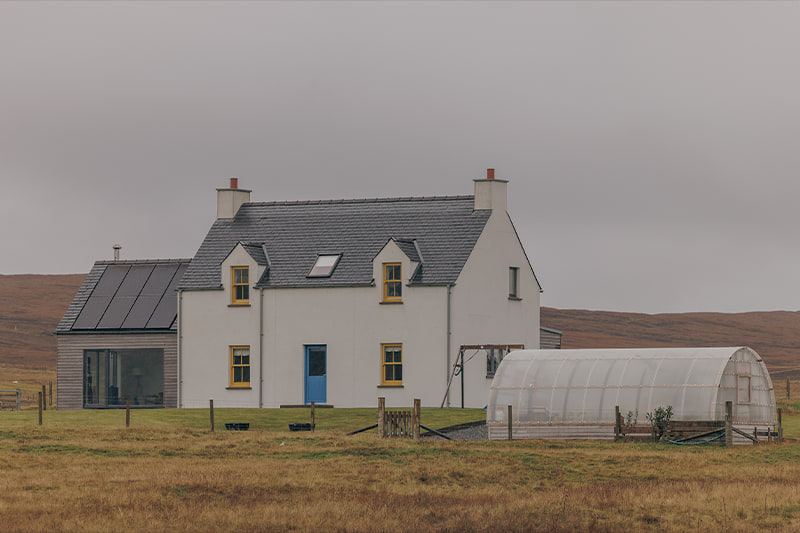
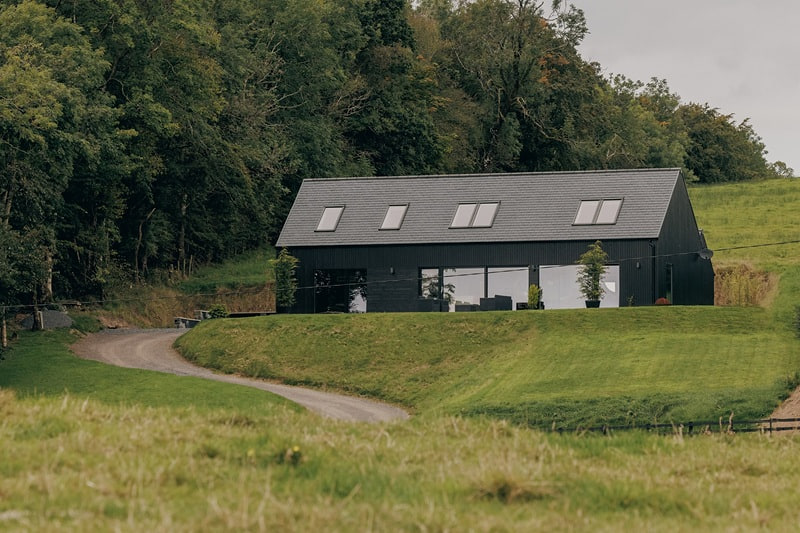
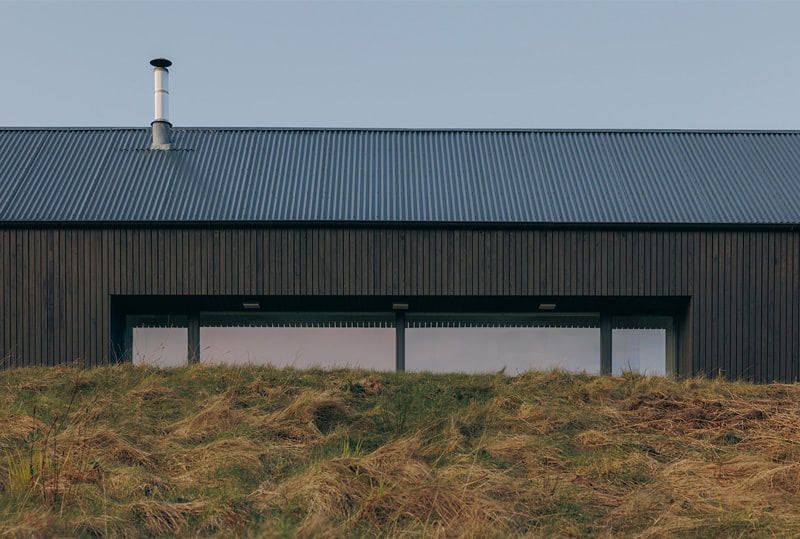
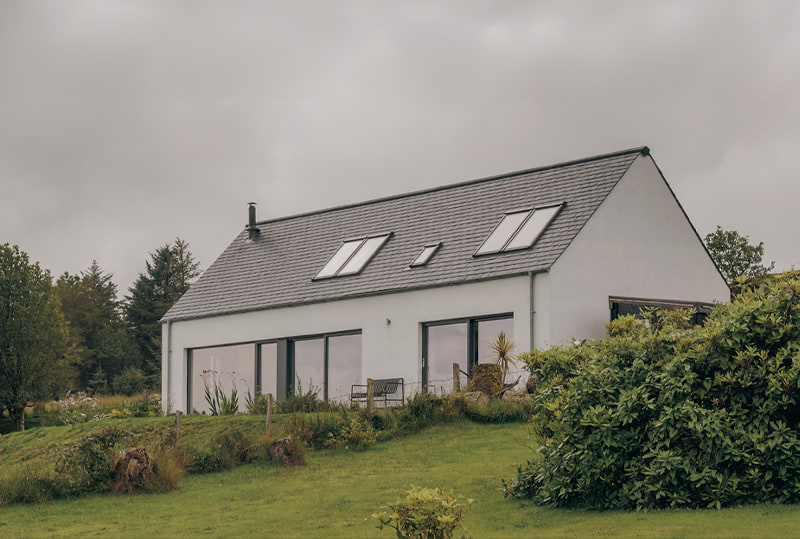
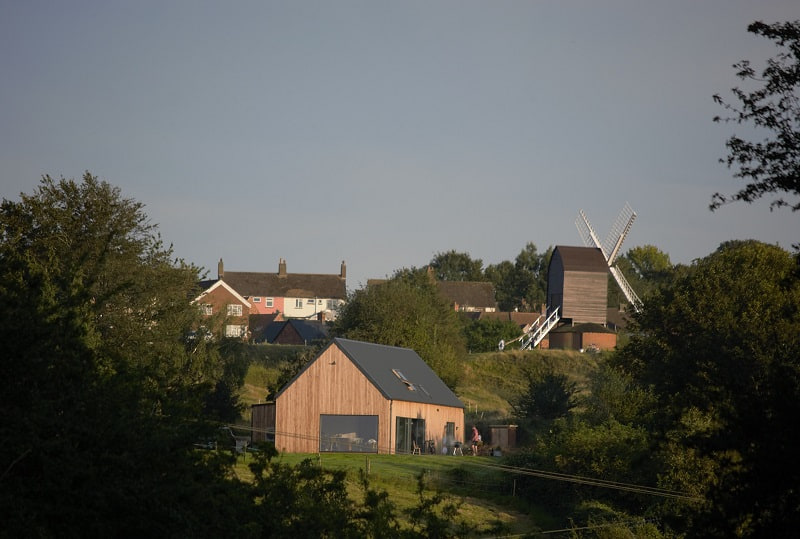
Find Your HebHome
Explore five adaptable home ranges inspired by the Hebrides, tailored to your site, lifestyle and budget.


Airigh
Inspired by traditional Highland shielings, Airigh offers compact, contemporary homes with efficient layouts and a strong connection to the landscape.

Accessible
Adaptable single-storey homes designed for accessible, comfortable living—ideal for first homes, downsizing and changing mobility needs.

Longhouse
Elegant, light-filled homes inspired by the traditional longhouses of Scotland and northern Europe, designed to sit naturally in rural landscapes.

Steading
Spacious family homes inspired by traditional farm steadings, combining generous interiors with distinctive forms suited to rural settings.

Whitehouse
Contemporary homes inspired by the classic Highland whitehouse, with rendered walls, slate roofs, dormer windows and bright, practical interiors.

Bespoke Design
Every HebHome can be adapted to suit your site and lifestyle. For a fully bespoke design, we can connect you with our sister company, Dualchas Architects.
Take the Next Step
Create your free project account to explore floor plans, pricing tools, practical guides and resources for planning your HebHome.
Create Your Free Project AccountWhy Choose Us?

Turnkey
Prefer one experienced team to coordinate your build? Our affiliated contractors can manage everything from groundworks to final finishes, with Partial or Full Turnkey options available depending on your location, site and budget.
Turnkey Service
Flexibility
Begin with a proven design, then adapt it where possible to suit your plot, views, access, planning requirements and way of living. You retain architectural quality while benefiting from an established building system.
Why Choose Us
Price Clarity
Understand the likely cost of your complete project—not only the kit. Our pricing tools consider location, specification, site conditions and delivery route, helping you make informed decisions with greater confidence.
Price Clarity
Design Excellence
Created with Dualchas Architects, every HebHome combines balanced proportions, generous natural light and efficient layouts. Carefully considered details help each home perform beautifully in demanding rural environments.
Our HomesSee Your HebHome Come to Life
Explore your design, choose finishes and understand the available options—then see your HebHome come to life.
Launch Spec 3DCost & Delivery Confidence
Plan your budget, programme and next steps with practical tools and a clear understanding of who does what.
Clear Total Budget
Estimate your likely complete build cost, including the kit, location, site conditions, specification and procurement route.
Estimate Your Total Build CostRealistic Programme
Follow the typical stages from design and approvals through manufacture, erection and completion, with experienced guidance.
View an Example ProgrammeProject Resources
Access floor plans, pricing tools, guides, webinars and practical checklists to help plan and manage your project.
Explore the Free Members’ AreaSupport & Warranties
Understand component warranties, post-handover support, BOPAS accreditation and specialist self-build finance guidance.
Learn About Build SupportBuy Your HebHomes Land Here
Plots that suit HebHomes designs — some with services or outline consent. Browse by region and get matched to designs.
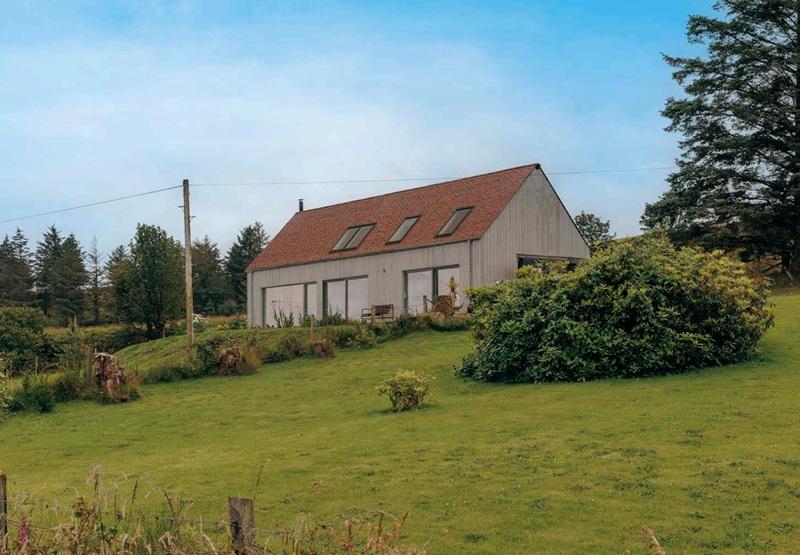
Full Planning in Place for LH102PD.2
East Sussex – 2 Acres
A beautiful two-acre plot in the High Weald, with full planning permission for a two or three-bedroom LH102PD.2 and detached double garage.
View Plot


Hebhome Full Planning
Drimnin – Two Plots
Price reduced: two plots overlooking the Isle of Mull, each with full planning permission for a HebHome.
View PlotSee HebHomes in Action
How HebHomes Works
Explore the stages from choosing a design to completing your home. View the project sequence for the decisions, appointments and approvals along the way.
FAQs
The things people ask us most about cost, programme, land and process. Explore all frequently asked questions.
The total cost of a HebHome depends on the design, site, location, specification and how you choose to procure the build. There is no single price that accurately represents every project.
Use our Estimate Full Build Cost tool for an early project-specific estimate. It considers your location, site conditions, procurement route and level of finish, rather than showing only the kit price.
Members can also access Order of Cost information showing where a typical project budget is spent. For greater certainty, we can arrange an independent quantity surveyor to prepare a site-specific cost plan for your chosen design for an additional fee.
Our Supply + Erect price covers the HebHomes structural kit and its erection to the defined kit stage. The exact components included are set out in our current specification and quotation.
Delivery, project-specific structural steel and optional items such as kitchens and bathrooms are not included unless they are expressly shown in your quotation. Steel requirements depend on matters including the house type, design changes, ground conditions and wind loading.
The remaining work can be completed by your chosen contractor, managed as a self-build, or delivered through an available Partial or Full Turnkey service. Use our full build cost estimator to understand the likely total project budget.
Yes. Full Turnkey delivery may be available through experienced HebHomes affiliated contractors, depending on your location, site, programme and budget.
A Full Turnkey contractor can coordinate the build from groundworks through to internal finishes and handover. Partial Turnkey may also be available where the contractor completes the external shell and local trades carry out the internal fit-out.
Availability and the precise scope must be confirmed for each project. Learn more about our Turnkey service or contact us to discuss your site.
The HebHomes kit is typically erected in one to two weeks, but the complete project takes considerably longer. As a realistic starting point, allow at least a year for planning, technical design and statutory approvals, followed by approximately six to twelve months for construction.
Timescales vary with the design, site, location, local authority, consultant responses, contractor availability and any changes you request. Using one of our proven designs with limited alterations can help reduce design time.
We will discuss the likely programme for your project early, so you can plan using realistic milestones rather than the kit-erection period alone.
No. You can contact HebHomes before buying land, and early advice can help you assess whether a plot is likely to suit one of our designs and your budget.
We advertise selected building plots and can provide general guidance on plot searches. Estate-agent alerts and specialist plot portals are also useful, and our partner DM Hall may be able to undertake a proactive search.
Before committing to a plot, obtain appropriate professional advice and check planning prospects, access, ground conditions, drainage, utilities and service-connection costs. Any offer should be appropriately conditional on the necessary investigations.
Yes. Our proven designs can be adapted where possible to respond to your site, views, access, planning requirements and way of living.
Changes must remain compatible with the structural system, architectural quality and relevant regulations. More extensive alterations may increase design fees, build cost and programme, and some changes may not be practical.
For requirements that go beyond adapting a standard HebHome, we can connect you with Dualchas Architects to explore a bespoke design.
HebHomes are designed to achieve excellent energy performance through high levels of insulation, careful detailing and efficient timber construction systems.
The final performance of an individual home depends on its design, orientation, glazing, heating and ventilation systems, specification, workmanship and location. These factors are assessed during the project’s technical and energy calculations.
HebHomes are not supplied as certified Passivhaus homes as standard. Passivhaus may be explored as a project-specific requirement, but it can involve additional design work, specialist consultants, certification costs and constraints.
What Our Clients Say

Chris Jaume — Cooper King Distillery — Google review
Seriously good architecture. The HebHome built on site is an absolute delight. We would highly recommend.
Prof John Caughie — Isle of Skye — Google review
Nearly ten years on, our house still feels new. It fits the Skye landscape beautifully, feels spacious and well planned, and its excellent insulation means we barely use the wood-burning stove. A really good company to work with.
Tiarnan O'Cleirigh — County Mayo — Google review
Beautifully and simply designed, the house maximises living space within a modest footprint. Its modern rural form fits the landscape, while the high-quality SIP construction remains economical and comfortable even in the harshest Irish weather.
Lucy Holt - Straloch Estate
I used the turn-key service which I can highly recommend. Their trusted contractor was very organised and good to work with and the standard of workmanship high. Five years on the house still looks as good as new.
Steven Robertson - Shetland
The HebHomes ethos matched our desire for a contemporary home rooted in island tradition. The WH502 has given us a modern family home that fits beautifully into the Shetland landscape.
Graham Sharp - Elgol, Skye
I have to say that I am delighted. The SIP system is excellent, and the design is even better on the ground than it appeared on paper.
September 29, 2026
Meet HebHomes at the Harrogate Show – Free Tickets
August 28, 2026
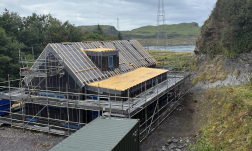
CPS Longhouse Kit Completed Near Oban
August 24, 2026
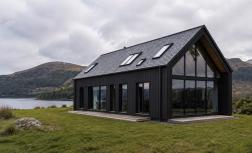
Glazed Gables on Selected HebHomes
August 11, 2026
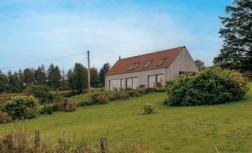
HebHomes Plot for Sale in East Sussex

June 08, 2026